How to Determine the Right Height for Dining Room Light Fixture
Key Takeaways
- Get the dining room lighting height right and you’ll create an inviting mood and enjoy the practical benefit of comfortable meals and unobstructed views.
- In the US, the general rule of thumb is to hang a chandelier 30-36 inches above a dining table. Allowances need to be accounted for with ceilings above 8 feet.
- To keep a dining room light fixture from dwarfing your table or the rest of the room, choose a size in proportion to both your table and room dimensions.
- Think about personal style, room configuration, and the fixture style—like chandeliers or pendant lights—when figuring out what the perfect hanging height would be.
- Installing dimmer switches and using layered lighting helps you set ambiance for various occasions and tasks.
- Be sure to triple-check dimensions before making any permanent installations. When it comes to complicated arrangements or electrical installations, consult a licensed electrician to keep the process safe and effective.
Dining room lighting height standards suggest that the bottom of a light fixture be hung 30 to 36 inches above a typical dining table. This rule of thumb works for nearly all typical American homes.
It is a good range for an eight-foot ceiling as it provides ample light while not obstructing lines of sight or being obtrusive. Selecting the ideal height creates an inviting atmosphere while ensuring the area is free of obstructions.
Second, choosing the appropriate shape and size of fixtures will truly set the tone for each dining experience.
Why Dining Light Height Matters

What impact does dining light height have? The height of your dining room light fixture determines how the entire space looks and functions. When the bottom of a chandelier or pendant hangs between 30 and 36 inches above the table, you hit the sweet spot.
This height grounds the area by connecting the table to the ceiling without interrupting the flow of design. This range allows the space to look cohesive, not cluttered or claustrophobic.
Setting Your Dining Atmosphere
Getting the height right is not only a matter of aesthetics—it’s a matter of mood. Unless you’re doing very intimate dinners every day of the week, a fixture at the standard height is very inviting and friendly.
When you invite loved ones over for holidays or celebrations, a good light position really sets the stage for a sumptuous experience. A pendant hung too high will result in a table that appears empty.
On the flip side, hanging it too low will overwhelm the space. In Cape Cod style homes or other homes with taller ceilings, increase the fixture height by 3 inches for each additional foot of ceiling. This minor change helps restore the balance.
More Than Just Seeing Food
Choosing the correct height and type of fixture can accentuate colors, bringing them to life. They’ll bring out textures, helping your meals pop with a new, vibrant look.
A chandelier hung at the correct height will illuminate dishes well. It bathes the people sharing the table in light, transforming even the most casual of dinners into a special occasion.
Keeping Heads Clear, Views Open
Nobody wants to bang their head or break eye contact. The right height ensures that sightlines are unobstructed and that the table remains easily accessible.
If you have a table underneath that new fixture, make sure to measure from the table to the fixture’s height. Ensure that there’s adequate distance to hand dishes back and forth and converse over the table without having to avoid the light.
My Take: It's About Feeling
Once you determine the optimal fixture height for your dining room light fixture, guests will be at ease and the ambiance will remain chill. A stunning chandelier or pendant light placement can set the mood for great conversation, making your meal an unforgettable memory.
First: Pick the Right Size

Choosing the proper size chandelier or pendant for your dining area is an important part of creating a room that feels just right and welcoming to guests. It’s not only a question of aesthetics—size determines the effectiveness of the room’s illumination and its overall comfort level.
A fixture that’s too big can overwhelm the space, while one that’s too small can feel lost. A small one may appear misplaced hovering over the tabletop.
Let Your Table Guide You
The size of your dining table can provide a helpful starting point for selecting chandeliers. All the pros agree on one thing—the fixture should be half to two-thirds the width of your table. For a quick check, make sure the fixture is at least 12 inches less than the length of the table.
Here’s a simple guide:
- 36"–40" table width: 18"–27" chandelier diameter
- 42"–48" table width: 21"–32" chandelier diameter
- 54"–60" table width: 27"–40" chandelier diameter
This is how you can keep the light in scale so it doesn’t compete with the table.
Room Dimensions: The Bigger Picture
Consider the bigger picture. To determine fixture diameter, add the width and length of a room (in feet) and use the sum measured in inches as a guide for the fixture diameter.
To illustrate, a 12x14 foot room would indicate the use of a 26-inch fixture. This ensures that everything is in harmony, so neither the light fixture nor the room feels jarring.
Ceiling Height Influences Scale
There’s another consideration — ceiling height. The fixture should be hung so that there is a minimum of 7 feet from the floor to the bottom of the fixture.
Here’s a quick reference:
Ceiling Height
Fixture Height Above Table
8 ft
30–36 in
9 ft
33–39 in
10 ft
33–40 in
Taller ceilings often fit bigger, bolder lights.
Style: Big Statement or Subtle?
Consider the tone you’re hoping to achieve. Whereas a bold chandelier makes a statement and serves as a focal point, a simple pendant disappears.
To create an overall aesthetic that both looks good and works well, consider matching the design of your light with the style of your space.
My Tip: Avoid Overwhelming Space
Choose a fixture that enhances the room and table scale, rather than one that dominates. Oversized chandeliers can clutter compact spaces.
Choose an elegant light that complements your room and allows the table and arrangement to take center stage.
Key Dining Light Height Standards

No matter the dining room, the right height for dining room lighting can completely enhance the room’s atmosphere. It certainly affects how effective it is, or in other words, how well it works. The proper fixture height ensures a good light spread while preventing the room from feeling top-heavy.
Secondly, it ensures that everyone at the table can see one another without uncomfortable shadows or obstructed views. In the U.S., several widely understood guidelines serve to steer people in the right direction. You can modify them depending on your ceiling height, fixture type, and table size.
1. The Classic Table-to-Fixture Gap
For most dining rooms, the go-to rule is to hang the light fixture 30 to 36 inches above the table. This applies to both chandeliers and pendant lights. It provides sufficient illumination for dining while keeping the fixture from being in people’s sightlines.
People can bend their height up or down a few inches depending on aesthetics. They may do the opposite if the fixture is bulky in form.
2. Adjusting for Higher Ceilings

Beyond 8-foot ceilings, compensate by adding another 3 inches in hanging height for every foot of ceiling height. For a 9-foot ceiling, this equates to suspending the light 33 to 36 inches above the table.
This prevents the overall visual from feeling top-heavy, particularly when dealing with big spaces or chandeliers with multiple tiers.
3. Pendant Lights: Focused Glow

Pendant lights should provide direct illumination for dining or food presentation. Most dining lights or pendants work best around 30-36 inches above the table.
As for task-style pendants, shorter drops are acceptable, whereas decorative styles may need to hang a little higher. For a large dining table, two or three evenly distributed pendants will do the trick.
- Small pendants: 30-34 inches
- Large pendants: 32-36 inches
- Task pendants: 28-32 inches
4. Chandeliers: Centerpiece Placement

A chandelier should float above the center of your dining table, serving as the room’s anchor. It needs to illuminate the entire table but avoid hitting diners’ heads.
When chandeliers are large, or many-tiered, they sometimes require a higher hanging chandelier. Conversely, petite ones adhere to the 30-36 inch standard.
5. Ensuring Clear Sightlines Always
The fixture should not obscure someone’s view from across the table at any time. Set the height so when seated, diners can look into one another’s eyes.
Trying out a handful of different heights before the permanent install will ensure you find the sweet spot. This is particularly key if the light is particularly wide or descends lower than average.
Factors Beyond Basic Rules
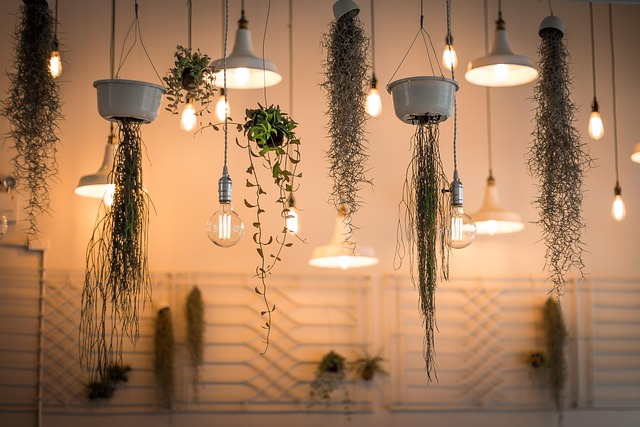
Dining room light fixture mounting height guidelines offer a solid foundation, yet actual residences often require adjustments. With varying ceiling heights and personal preferences, the aesthetic choices for a stunning chandelier can be more significant than strict measurements. Ultimately, how you utilize the dining space may outweigh the importance of precise tape measurements.
Unique Ceiling Challenges
Not every dining room features the standard flat ceiling. Vaulted or sloped ceilings may complicate standard measurement. If you have taller ceilings, multiply the extra feet by several inches and add that to the fixture height. This cuts a somewhat more even light throughout the room and prevents the light from becoming too scattered above.
In spaces with pronounced beams or angled ceilings, chain-hung or adjustable fixtures allow you to hang them level with the light. For open rafters or unique ceiling configurations, track lighting or a series of pendants can help disperse light in an even manner.
Your Personal Style Preference

A traditional farmhouse table might require a rustic chandelier, whereas a contemporary setting would be better with a modern, glass fixture. Color, size, and shape all influence the mood. Matte black or brushed brass finishes harmonize with both moods.
Selecting a fixture that suits your personal style helps make the space truly yours.
Multi-Functional Dining Areas
It’s common for today’s dining rooms to serve as a workspace or playroom, making the choice of a stunning chandelier or pendant lighting essential for adequate lighting in the dining area.
- Dimmable fixtures for mood shifts
- Layered lighting (pendants plus wall sconces)
- Adjustable arms or swing lamps
Different Fixtures, Different Heights
Chandeliers, pendants, and flush-mounts all have height sweet spots. A dining room chandelier hanging over a table, for example, is often hung 30 to 32 inches from the tabletop in most houses. For larger rooms or tables, group multiple pendants or hang the fixture higher for proportion.
Never have less than 48 inches from the light source to the wall. If you don’t have a table, suspend it at least 7 feet off the ground.
My View: Bend Rules Smartly
Lighting rules provide a useful set of parameters, but comfort and functionality should come first. Choose heights appropriate to your room’s proportion, including the dining room light fixture placement, ceiling height, and how you use the space.
Smart Installation Tips

Achieving the perfect dining room lighting requires intelligent preparation and measured execution, especially when considering the dining room light fixture. Every component—from tools to chandelier installation—plays a role in ensuring the fixture not only looks great but also provides adequate lighting. Following standard height recommendations ensures a seamless process for your dining area.
Measure Twice, Hang Once
It’s all in the details. Accurate measurements are key. Measure twice, hang once. Before putting up any fixture, take a tape measure and check the height from your table to the fixture. For a chandelier, shoot for 30–34 inches over the table.
Measure again, and with the help of a level, ensure all components are hanging in a straight line. With pendants, ensure that the bottom is 30-36 inches above the countertop. If you have to install recessed lights, space them no further apart than half the ceiling height— so no further than 4 feet for an 8-foot ceiling.
The Power of Dimmer Switches
Installing a dimmer switch allows you to change the brightness for every mood. Whether dinner is going to be exciting and fun, or relaxing and peaceful, adjusting the lighting sets the mood perfectly.
Dimmer compatibility is crucial. Before purchasing, make sure your fixture and bulbs are compatible with dimmers. This allows for smooth dimming action and eliminates dimmer flicker.
When to Call an Electrician
Not every installation is DIY-friendly. If the ceiling is particularly high, wiring appears complicated, or codes aren’t clear, consult an electrician.
Indicators such as outdated wiring or poorly labeled schematics indicate that professional assistance is not only advisable but necessary. This ensures that the install is not only up to code, but worry-free.
Common Mistakes I've Seen
Another common mistake I’ve seen is people making their lights too high, too low, or too far off-center. Leveling over or failing to measure means you’re leaving it unlevel.
Minimize glare with track heads at 30 degrees to perpendicular for glass art. Never assume fixture stability or spacing, or that your fixture will match the spacing to the room size.
My Advice: Test Before Finalizing
Consider hanging the fixture at various heights on a temporary basis. Take a step back, view it from all angles, and get a second opinion.
This step is useful for identifying the best potential location before designing or building anything permanent.
Light, Design, and Harmony

In the dining room, the lighting does more than illuminate the area. It sets the tone for ambiance, enhances decor, and brings the entire space together! When it comes down to implementation, fixture choice is everything. When you take it to the right height, you improve function and introduce a harmonious calm equilibrium.
The finest places are those that display a deft balance of attractiveness. They have intelligent lighting selections that match the scale and character of the space.
Fixture Style Impacts Ambiance
Fixture style impacts ambiance. The type of light fixture you choose will greatly affect the atmosphere of your dining room. A contemporary glass pendant adds a sleek, luminous touch. A traditional chandelier with warm bulbs introduces a more delicate, timeless ambiance.
Choosing the correct scale fixture for your table and chairs goes a long way in making the space feel more cohesive and finished. A reclaimed wood table is beautiful paired with wrought iron or matte black lighting. Modern, slim fixtures look great in clean, minimalist environments.
While eclecticism can succeed, we’ve found that maintaining a coherent aesthetic tends to create a more inviting atmosphere.
Layering Lights for Depth
Layering lights to create depth is essential. Using multiple types of light provides the space with depth and prevents it from appearing one-dimensional. Ambient lighting creates the foundation. Task lighting assists you in responsibilities such as setting the table, whereas accent lighting displays your artwork or decoration.
Common types to layer include:
- Pendant lights (main light source)
- Recessed lights (even, soft overhead glow)
- Wall sconces (side lighting)
- Table lamps or under-cabinet lights (for specific tasks)
Trends vs. Your Timeless Taste
Trendy fixtures may be picture perfect today, but they will age a room in a hurry. Choosing strong, classic elements—such as clear glass pendant lights or brushed nickel hardware—will keep the dining room feeling fresh for years to come.
Choose fixtures that you will enjoy for years to come, not what’s trendy now.
My Philosophy: Cohesive Design Wins
A space where light, form, and function harmonize just right always feels whole. Keep the width of the fixture in proportion to the table, roughly one-third to one-half the width.
Suspend it 30 to 36 inches above the table top to keep the proportions in harmony. By leaving a height of approximately 66 to 72 inches from the ground, you can provide adequate headroom and comfort for all individuals seated at the table.
Conclusion
Getting the dining room lighting height just right can make all the difference in your space, helping you create an intimate atmosphere while providing enough light for the table. Hanging the fixture at least 30 to 36 inches above the table is perfect for most houses across the U.S. A more modest fixture draws the room in and adds more luminescence to the food. This prevents glare from entering your eyes. A more elevated light creates an airy feel and accommodates larger stand up parties. Consider your ceiling height, shape of fixture and the ambiance that you’re trying to create. Bring out a step ladder and test your new fixture at a few different heights before you call it done! With the appropriate configuration, you create a practical, stylish environment that truly performs. Invite friends to share their setup or lighting tricks—great dining room lighting can turn every meal into a feast.
Frequently Asked Questions
What is the standard height to hang a dining room light?
The general rule for chandelier installation is to hang the dining room light fixture 30 to 36 inches above the dining table, ensuring ample lighting for a formal dining experience without obstructing views.
How do I choose the right size light for my dining room?
Choose a dining room light fixture that is about half to two-thirds the width of your dining table. This ensures the perfect chandelier size for symmetry and beauty in almost any Cape Cod home.
Does ceiling height affect dining light placement?
Yes. For ceilings taller than 8 feet, calculate an additional 3 inches of hanging height for every additional foot of ceiling to ensure the dining room light fixture is at the perfect height.
Can I hang a chandelier over a round table?
For the perfect chandelier height in your dining area, center the stunning chandelier directly over the dining room table and allow it to hang about 30 to 36 inches above the tabletop.
What if my dining table is extra long?
What if my dining room table is extra long? For a more uniformly illuminated dining area, consider chandelier installation to enhance light distribution.
Are dimmer switches recommended for dining room lights?
Yes. Dimmer switches allow you to create the perfect ambience for any setting—from intimate family dinners under a stunning chandelier to festive holiday parties.
What kind of bulbs should I use for dining room lighting?
Warm white LED bulbs (2700K–3000K) work best for dining room light fixtures. They help establish a warm, welcoming vibe that’s perfect for Cape Cod’s laid-back dining area.